For a need arising a few times a year, renting is almost always more sensible than buying. But the quoted rental figure is usually one line among several, and the remaining lines determine what it actually costs.
What a rental contract contains
Equipment rental. Per day or per event. This is the quoted number and usually the smallest part of the total.
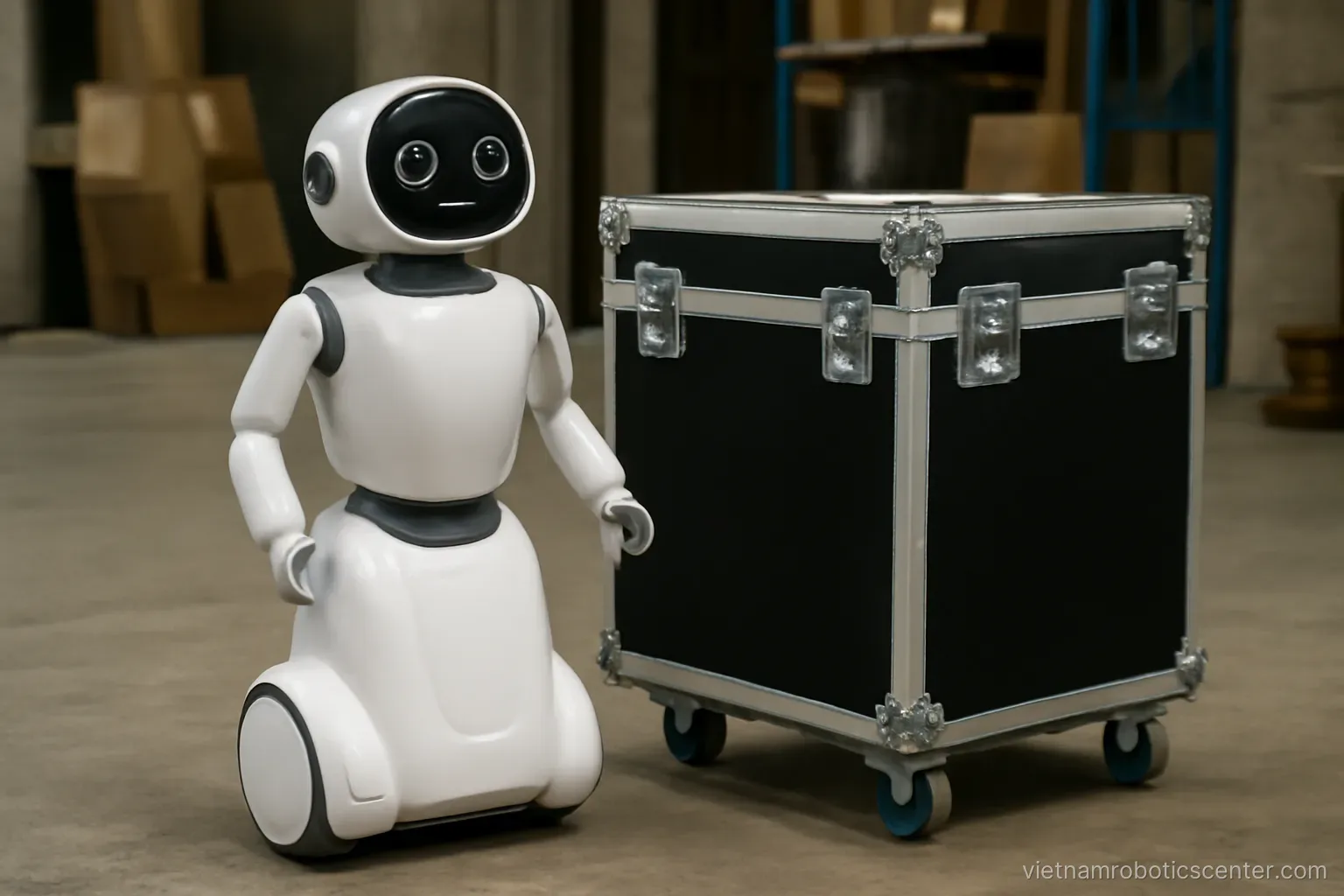
Transport both ways. Robots are heavy and require protective cases. Cost depends on distance and can be significant for events in another province.
Accompanying staff. A technician operating throughout the event. Almost always necessary — ask whether it is included or charged separately.
Content preparation. Loading event and brand information, writing the script. The most commonly overlooked item and the one with the largest effect on quality.
Venue survey. A visit before the event.
Setup and rehearsal time. Usually the day before, and it may be charged.
Insurance and liability. Who bears the cost if the robot is damaged or damages something.
When comparing quotes, compare on identical scope. A low quote is usually a quote covering only the first item.
Content: the item that determines quality
This separates an effective rental from simply having a robot standing there.
What the robot knows by default. General greetings, some basic conversation, possibly dancing or posing for photographs. Nothing about your event or your brand.
What needs loading. Company information, the products being launched, the event programme, the questions visitors commonly ask.
How long it takes. Ask explicitly. If it needs a week, materials must be sent early — and this is routinely late because the organising side is busy.
Who writes what. You supply information, the supplier edits it into the robot's speaking style. Be clear about the division.
Is there an approval step? Ask to hear it before the event. Off-brand content is a mistake that cannot be fixed on the day.
Practical advice: send materials as soon as the contract is signed, not close to the date. Most disappointing rentals trace back to content prepared in a rush.
What belongs in the contract
Specific hours of operation. From when to when, on which days, including setup and rehearsal time.
Contingency. What happens if the robot fails. Is there a replacement, within what time, or a partial refund.
Liability for damage. Clearly separating equipment fault, damage by visitors, and misuse by the renter.
Ownership of recordings. If filming or photography takes place, who may use the material.
Venue conditions. What the renter must guarantee — power, floor surface, space, security.
Support on the day. Whether a technician remains throughout or installs and leaves.
Cancellation terms. How a postponed event is handled.
The on-site technician clause is the most important. A robot without an attendant at a busy event is a recipe for trouble.
Renting against buying
A simple comparison based on frequency of use.
A few times a year → rent. No storage, maintenance, updates or obsolescence to manage, and you get whatever current model the supplier holds.
Monthly or more → consider buying. At that frequency annual rental approaches the purchase price, and owning the equipment opens other uses.
Frequent but uncertain duration → long-term rental. Many suppliers offer monthly rates, cheaper than daily and without capital outlay.
Factors beyond price. Owning requires a caretaker, storage and a content update plan. Renting requires none of these, and for a business without anyone responsible for technology this matters more than the price difference.
A sensible entry route: rent a few times, observe what the robot actually delivers for you, then decide about buying. The rental spend in that period is cheap tuition compared with an ill-judged purchase.
Making a rental worthwhile
The same spend produces very different outcomes depending on preparation.
Define the objective first. Capturing contacts, drawing attention to the stand, generating social content, or presenting a product. Each requires different configuration.
Send materials early. Within your control and the largest lever on quality.
Brief your staff. Your people need to know what the robot can do so they can introduce it to visitors and take over when needed.
Design the capture mechanism. If contacts are the objective, configure for it and give visitors a reason to leave details.
Prepare for photographs. Branded backdrop, a standing position, someone to help take pictures. Visitor-shared images are a substantial part of the value and they do not happen by themselves.
Record for later use. Film the robot in operation and collect the questions visitors asked. Both are usable for subsequent activity.
Frequently asked questions
Does the quoted rental price cover everything?
Usually only the equipment. Transport both ways, operating staff, content preparation, venue survey and rehearsal time are typically charged separately, so quotes must be compared on identical scope.
Which item most affects quality?
Content preparation. The robot knows nothing about your event or brand by default, and most disappointing rentals trace back to materials being sent too close to the date.
Which contract clause matters most?
Whether a technician remains on site throughout the event. A robot without an attendant at a busy event is a recipe for problems that cannot be resolved quickly enough.
When does buying make more sense than renting?
From monthly use upward, where annual rental approaches the purchase price. But owning requires a caretaker and a content update plan, so renting a few times first is the cheaper way to learn what you need.
More in Robots for business and Robots in education.