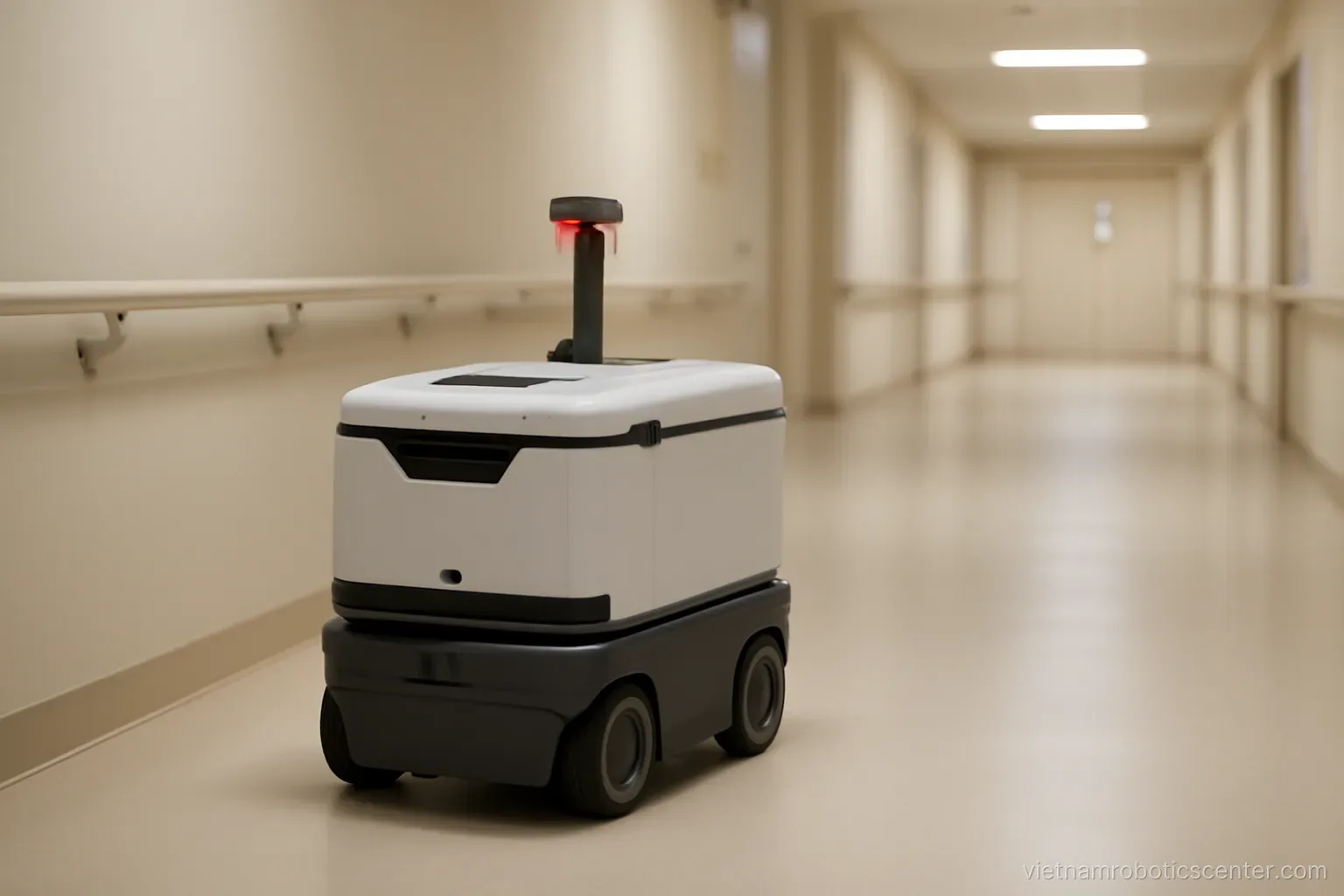
Hospitals have an obvious need for robots: clinical staff spend a great deal of time walking, and there are areas where limiting foot traffic is desirable. It is also the environment with the most constraints of any covered here.
Transport within the site
The clearest and lowest-risk application.
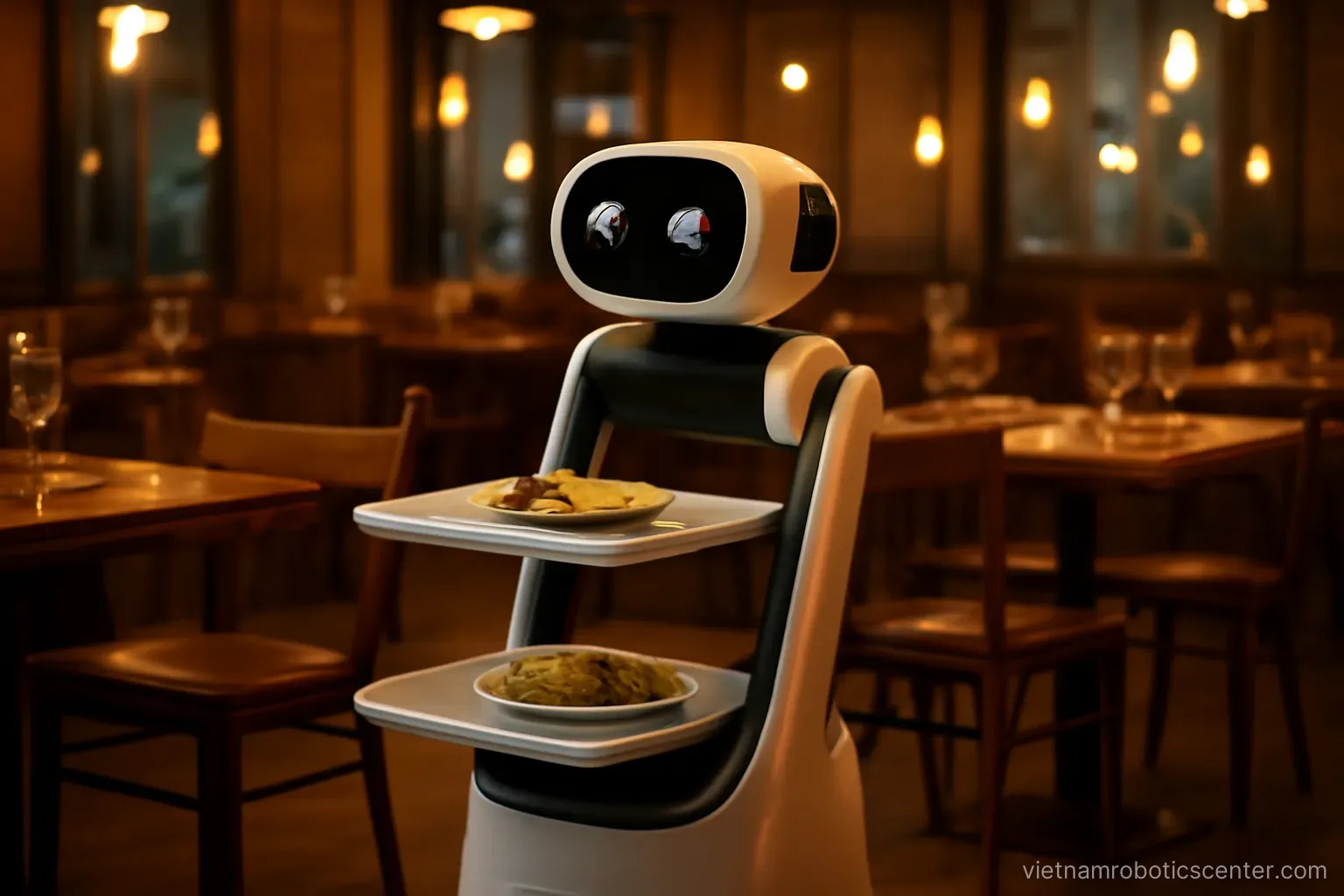
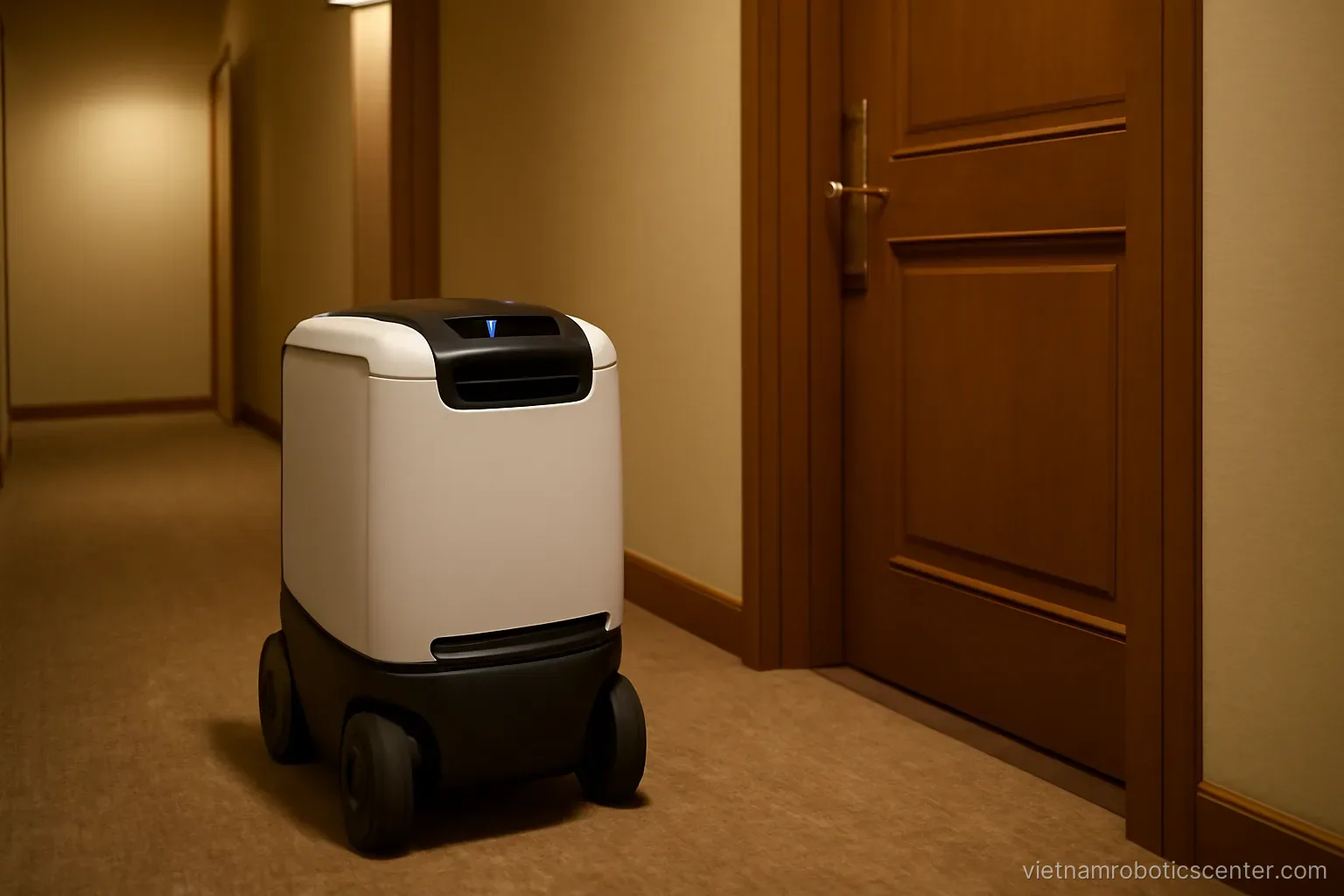
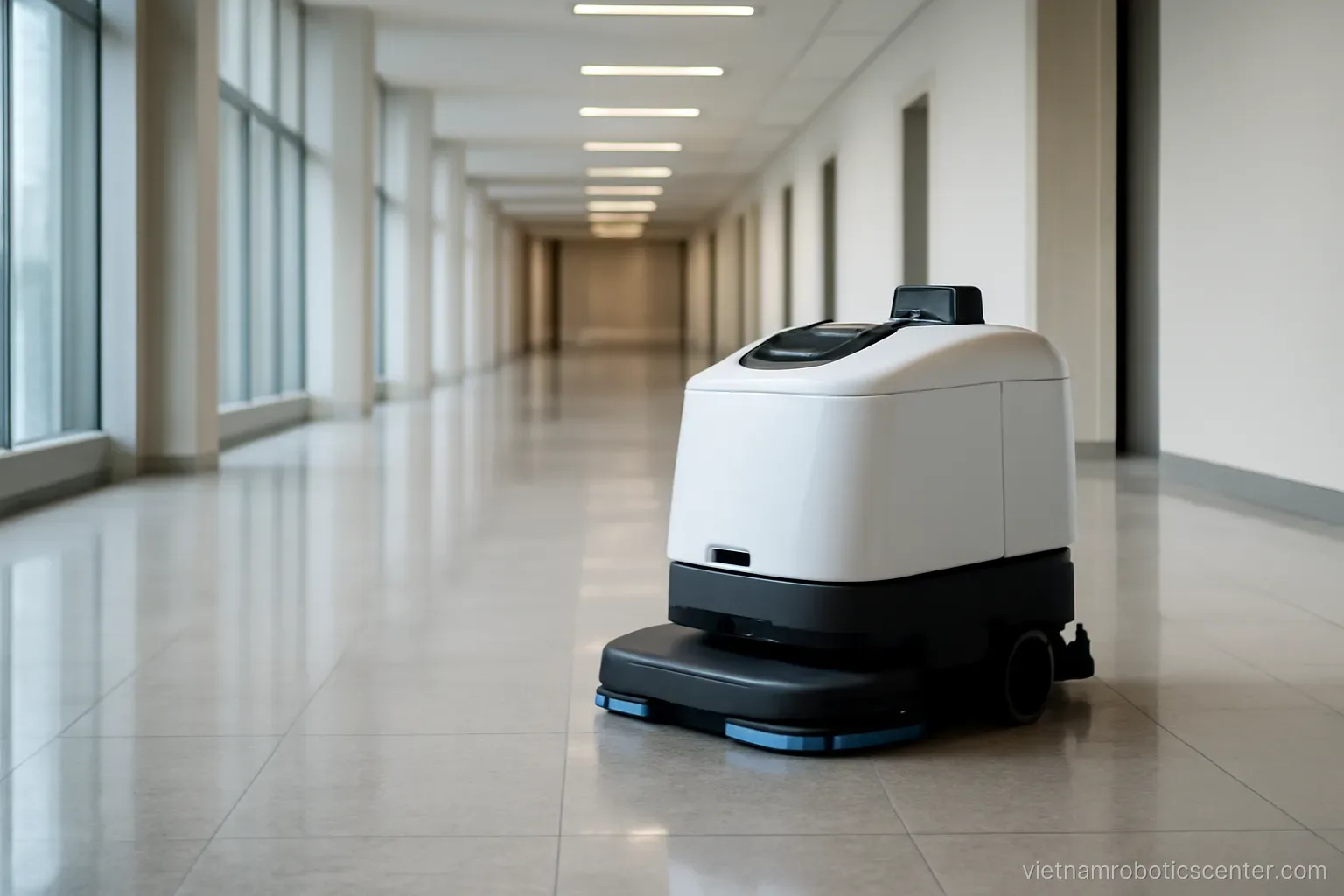
The job. Moving specimens to the laboratory, medications from pharmacy to wards, supplies, linen, meal trays.
Why it fits. Nurses and support staff spend a meaningful portion of their time on these trips, and that is time not spent with patients. This is the most persuasive argument with hospital leadership.
Specimens are a clear priority. They need moving quickly and frequently, and delay directly extends time to results.
Conditions. Corridors wide enough, lift integration, and a clear procedure for who loads and who unloads.
A specific requirement. The compartment must be lockable and openable only by authorised staff, particularly for medications and specimens. This is mandatory rather than an optional configuration.
Guiding patients and visitors
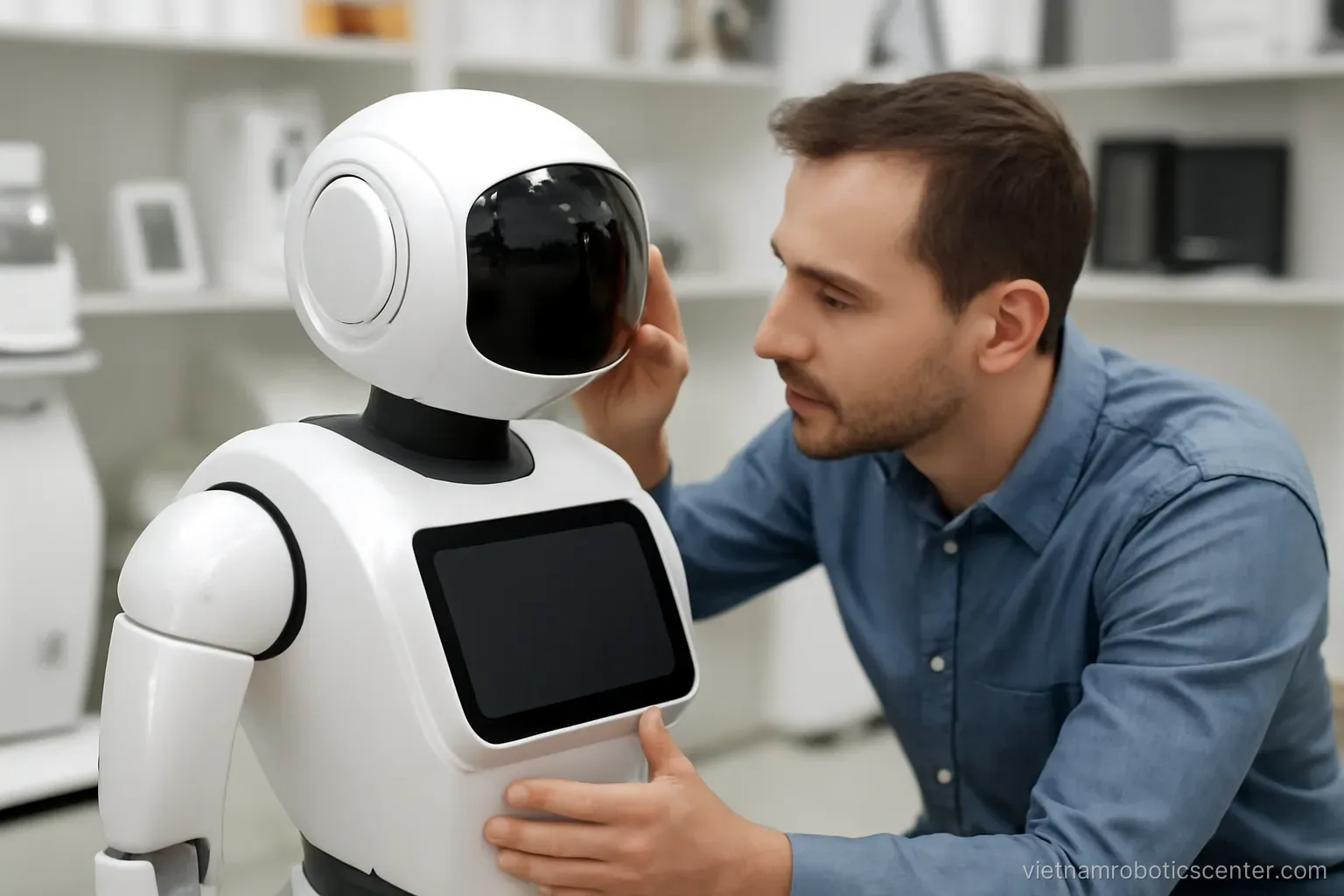
A real problem. Large hospitals are hard to navigate, and patients are typically tired, anxious and unfamiliar. Staff are asked for directions constantly.
What the robot does. Directs people to departments, explains the examination process, answers questions about timings and procedures, points to registration.
An overlooked benefit. Patients ask a robot repeatedly without feeling they are imposing. Many hesitate to ask busy staff twice and end up lost.
A critical constraint. The robot must never advise on illness, medication or results. It must be configured firmly to transfer every such question to clinical staff, without exception.
Language and delivery. Older patients form a high proportion. Speech should be slow and clear, sentences short, and text on screen large.
Placement. The reception area, where newly arrived people stop and are most disoriented.
Constraints specific to healthcare
Infection control. Robot surfaces must be disinfectable and must tolerate the chemicals hospitals use. A robot travelling between wards is a potential transmission route if not managed.
Safety around vulnerable people. Patients move slowly, use crutches, sit in wheelchairs, may not hear well. The robot must travel more slowly and stop earlier than in other environments.
Noise in clinical areas. At night on inpatient wards, robot noise can disturb patients.
Never obstructing emergency routes. There must be a mechanism for the robot to yield immediately in an emergency, and staff must know how to push it clear.
Information security. Where the robot carries specimens or records, access control and audit logging are required.
No interference with medical equipment. Electromagnetic compatibility with monitoring and life-support equipment must be verified rather than assumed.
Deploying in a hospital
Approval processes are more complex here than elsewhere, and appropriately so.
Involve infection control from the start. They will have requirements on materials, disinfection procedures and routes. Knowing early avoids rework.
Bring senior nursing staff to the table. They know the real process, know when corridors are busy, and they will be the daily users.
Start in less sensitive areas. Moving supplies between stores and wards rather than medications or specimens on day one.
Trial overnight first. Fewer people, lower risk, and time to adjust.
Have incident procedures. Robot stuck, robot blocking a corridor, robot loses connectivity — each with a defined response every shift knows.
Record everything. Hospitals require documentation, and logging every transport is both a requirement and improvement data.
Assessing whether to invest
Measure current walking time. How many minutes per shift nurses and support staff spend moving items. The baseline figure is usually higher than expected.
Count transport trips per day. By route. The busiest route is the one to automate first.
Consider time to results. If slow specimen transport extends turnaround, the benefit is clinical quality rather than only staffing.
Cost the lift integration. As in hotels, a large and commonly omitted item.
Weigh the night shift. Overnight staffing is thin and each departure leaves a ward short. This is usually where the value is clearest.
Start small. One route, one item type, three months. In hospitals a failed project has a long-lasting effect on willingness to adopt technology, so moving slowly and surely is worth considerably more than broad deployment.
Frequently asked questions
Which hospital application carries the least risk?
Moving supplies between stores and wards. The case is clear, it is less sensitive than medications or specimens, and it directly addresses the walking time of nursing and support staff.
What is mandatory for robots carrying medications?
A lockable compartment openable only by authorised staff, with access logging. This is a requirement rather than an optional configuration choice.
May a hospital robot answer questions about illness?
Never. It must be configured firmly so that every question about illness, medication or results transfers to clinical staff, with no exceptions permitted.
Who should be involved from the beginning?
Infection control and senior nursing staff. The first has requirements on materials and disinfection; the second knows the real process and will be the daily user of the system.
More in Reception and event robots and What AI robots are.