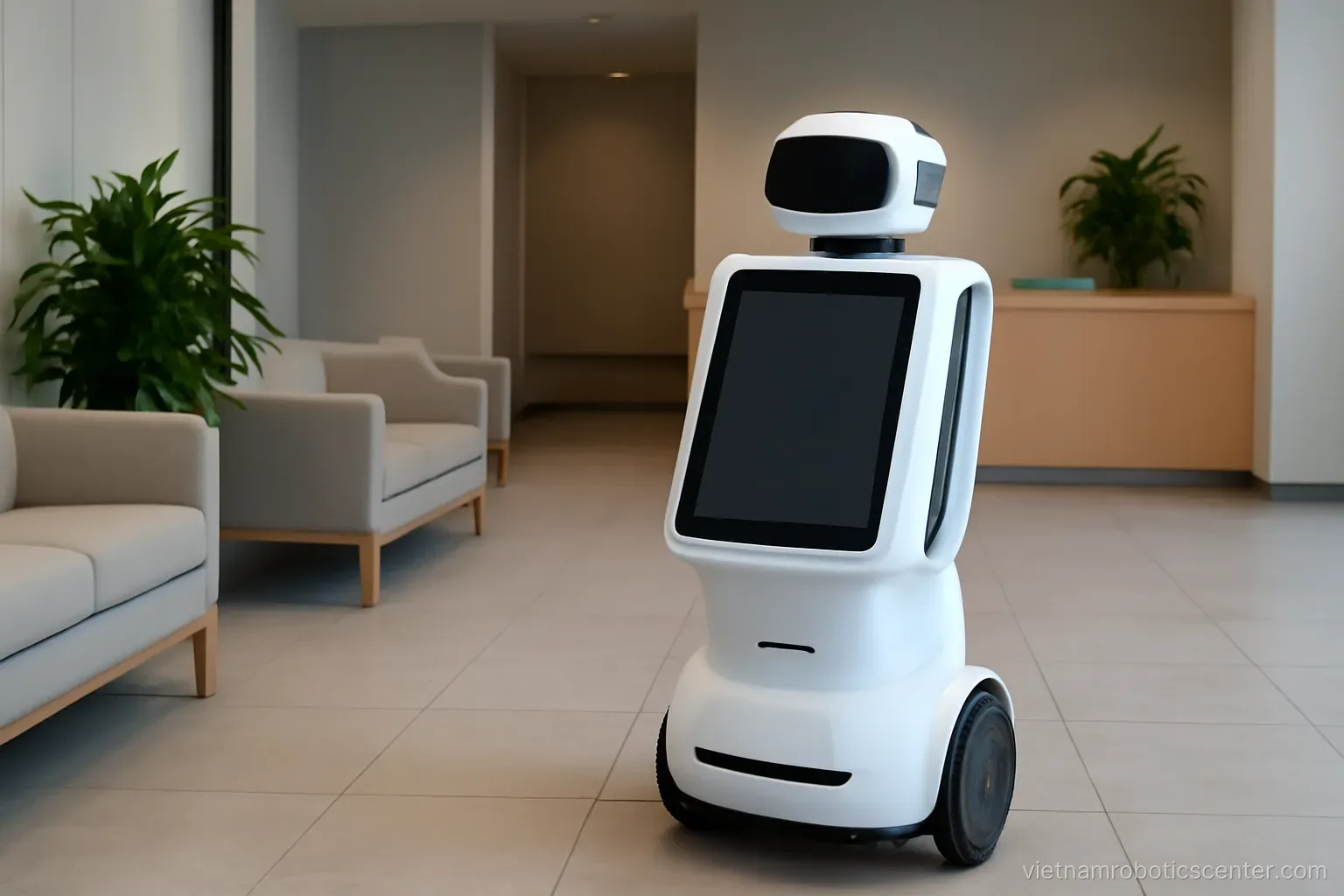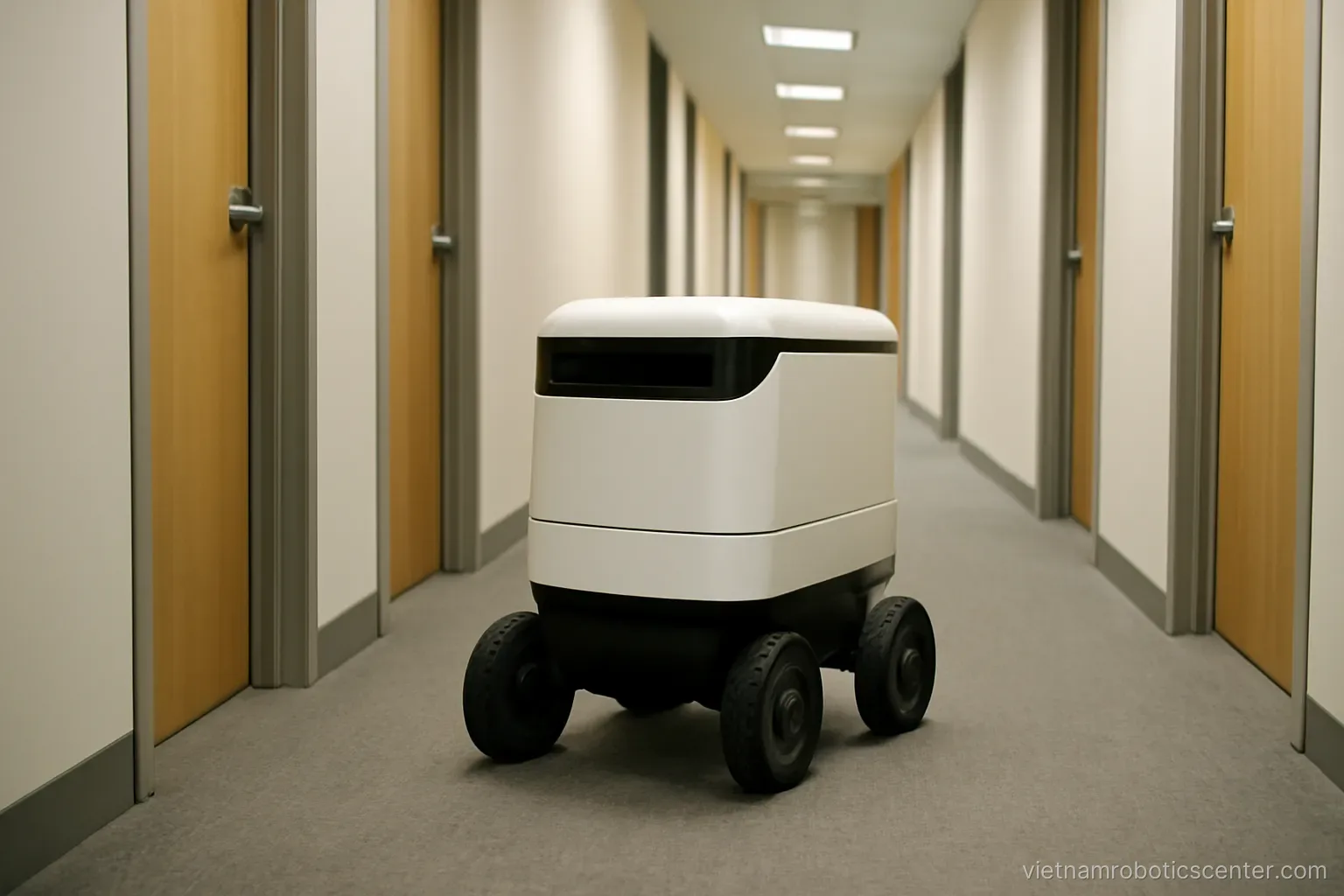
A robot that is technically sound can become an ornament within two months. That happens when it is placed beside how work currently gets done rather than inside it.
Divide roles explicitly
The question to answer before the robot arrives: what does each side do, and where is the boundary.
The robot takes the repetitive and the first contact. Greeting, asking what is needed, answering familiar questions, capturing basic information.
People take judgement and importance. Complaints, complex advice, closing deals, anything unexpected.
The handover point must be unambiguous. When the robot transfers to a person, how, and what information the colleague receives. If the customer has to start again from the beginning, the robot has wasted their time rather than saving it.
Write this division on a single page and post it where the work happens. It sounds trivial and it resolves most of the awkwardness of the early weeks, when nobody is sure when to step in.
Adjusting the space
AI robots tolerate more mess than earlier machines, but some preparation still pays.
Place it where customers actually walk. The most common mistake is choosing the spot that photographs well rather than the spot in the traffic flow. A robot nobody approaches produces no value.
Keep aisles clear if it moves. The number one cause of stoppages in practice, and a matter of staff habit.
Deal with noise. Where it is too loud, the robot mishears and customers cannot hear it. Sometimes moving it a few metres from the noise source is enough.
Convenient charging. A socket nearby, out of the traffic path, and a clear routine for who plugs in and when.
Somewhere to park it. A robot blocking an entrance overnight is quickly pushed into a storeroom.
Preparing the team
Staff attitude determines whether the robot is used or avoided.
Tell them early and honestly. What the robot does, what it does not, and how that changes their work. Rumour travels faster than announcements, so speaking early keeps the framing.
Be clear about jobs. If nobody is being cut, say so directly. If roles change, say that early too.
Involve them. Reception staff know what customers ask, how they phrase it, and where the robot will struggle. This is the best available input for content preparation.
Give specific instructions. Starting, stopping, charging, unjamming, and how to intervene when the robot answers wrongly in front of a customer. That last one needs practice, because it happens and leaves staff flustered otherwise.
Give one person ownership. Named, with the work counted as part of their role rather than as an extra.
The first week and the first month
This period decides whether the robot is welcomed or treated as a nuisance.
Week one: observe and record. Stand near the robot, listen to what customers ask, log every wrong or missing answer. This is a collection week, not an evaluation week.
Fix content daily in week one. Every unanswered question gets added immediately. Quality improves noticeably fast during this period.
Month one: adjust manner and position. Answers too long, register wrong, placement off the traffic flow — all surface within the first month.
Do not judge results in month one. The figures are always poor and say nothing about the long run.
Report progress to the team. How many interactions this week, improvement over last. This maintains support while the robot is still clumsy.
Signs a robot is about to be abandoned
Caught early, this is recoverable. Five signals.
Nobody updates the content any more. The earliest and clearest sign. Static content means nobody considers it their job.
It sits flat for days without anyone noticing.
Staff position themselves in front of it to reach customers first. There is usually a genuine reason — too slow, wrong answers, confusing customers — and it is worth asking.
Nobody looks at the numbers. If no one asks what the robot did this week, it has left management attention.
It gets moved somewhere quieter. Usually the step before the storeroom.
The most effective prevention is a fifteen-minute weekly meeting: review the numbers, hear staff feedback, fix one thing. Keep that rhythm and the robot stays alive; drop it and the rest is a matter of time.
Frequently asked questions
Why do working robots end up unused?
Because they are placed beside the workflow instead of inside it. Without a clear role division, a defined handover point and a named owner, the robot gradually leaves everyone's attention.
What is the most common placement mistake?
Choosing the spot that photographs well rather than the spot in the customer traffic flow. A robot nobody approaches produces no value however well it performs technically.
What should happen in the first week?
Observe directly and log every question answered wrongly or not at all, then add the missing content the same day. It is a collection week rather than an evaluation week.
What is the earliest sign of abandonment?
Nobody updating the content. Static content means nobody considers the robot their responsibility any more, and the other signs usually follow within a few weeks.
More in Deployment and operations and Robots in education.