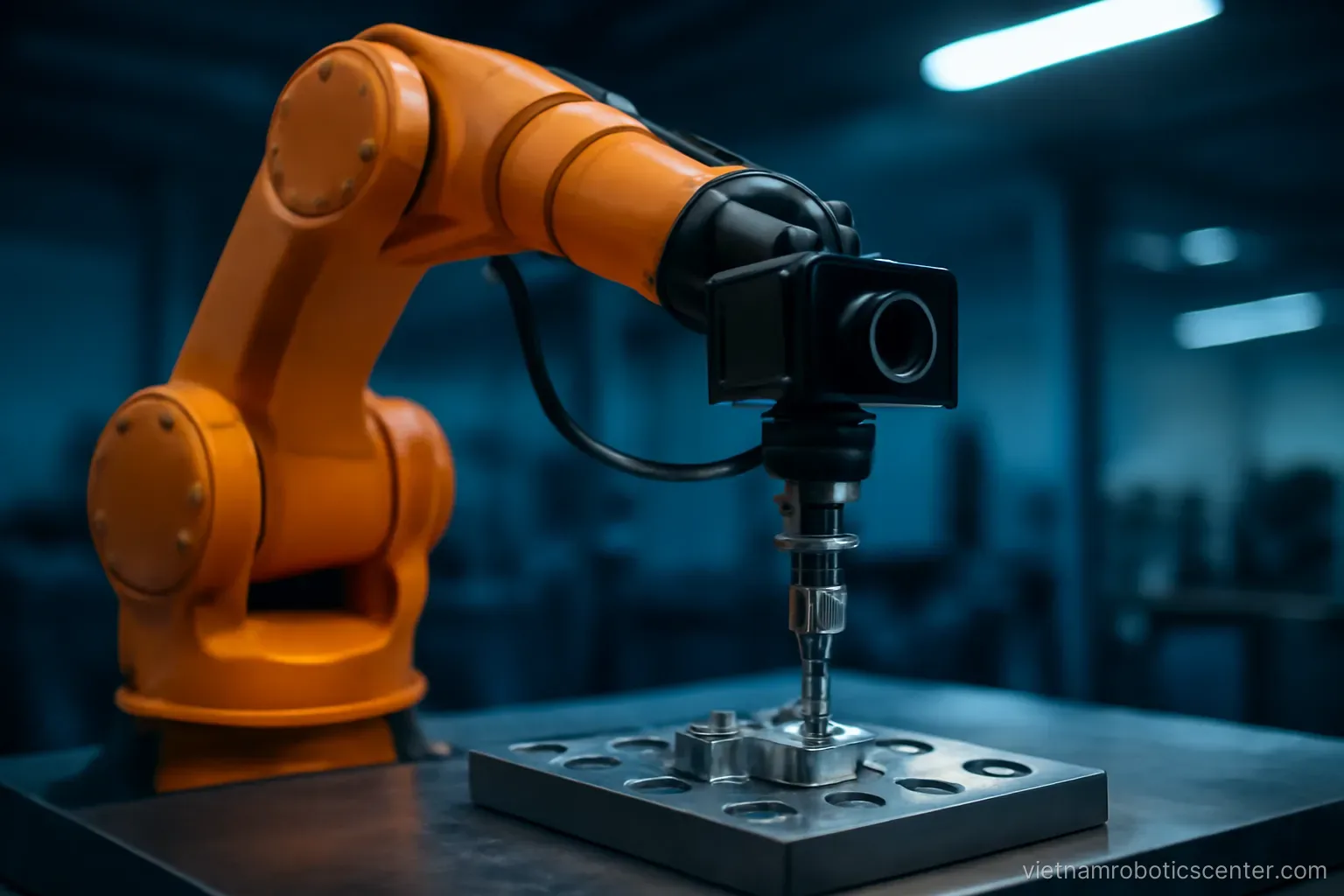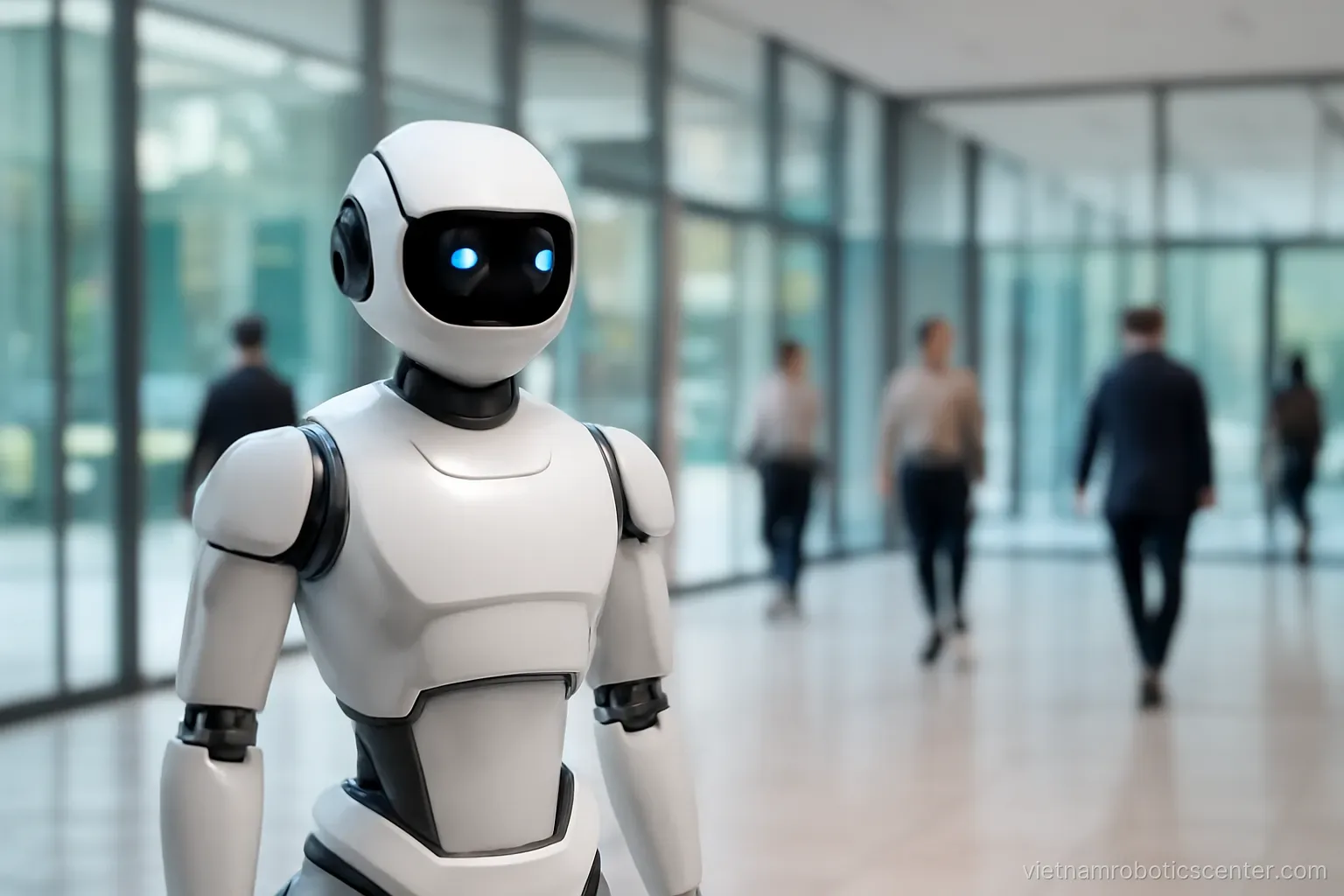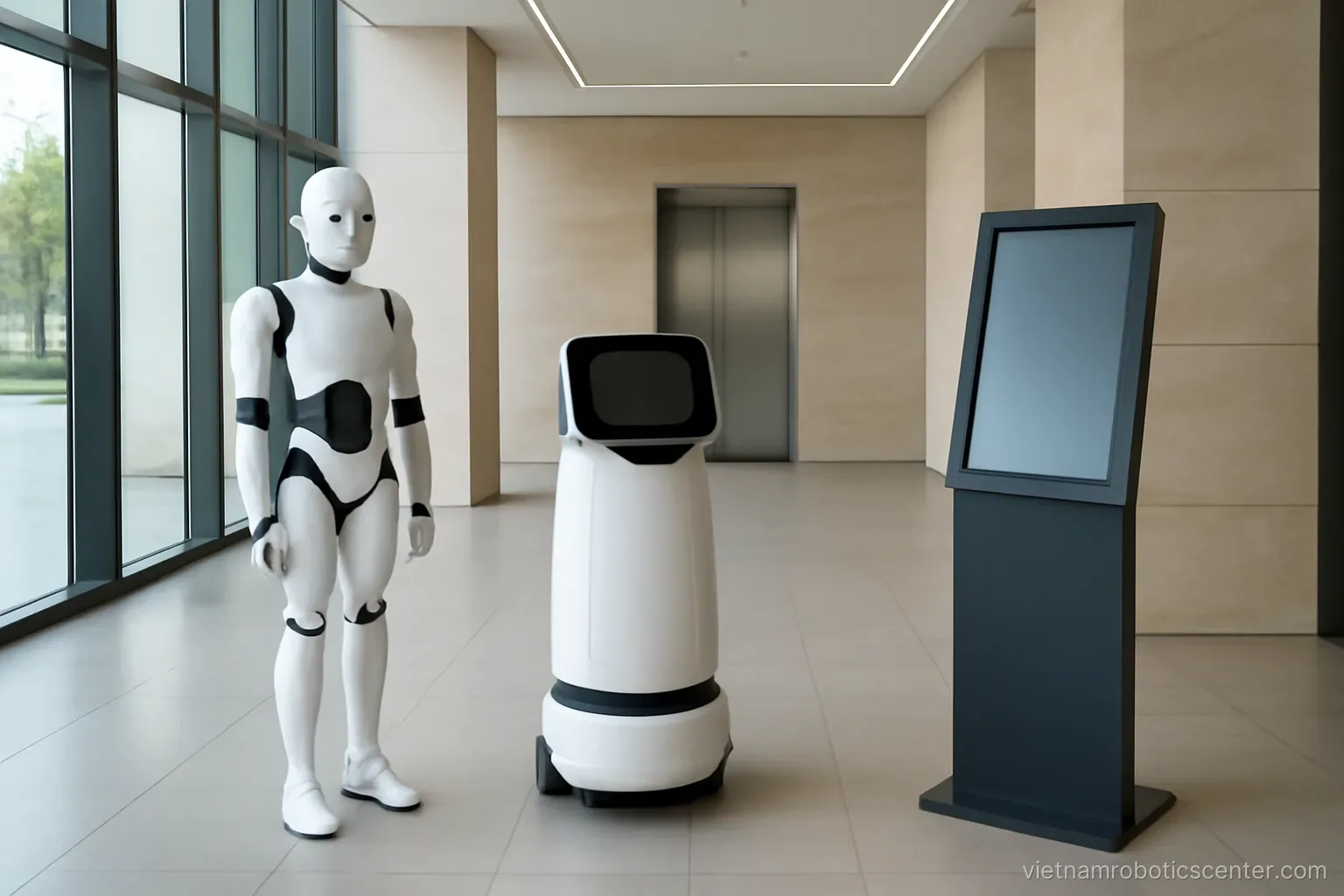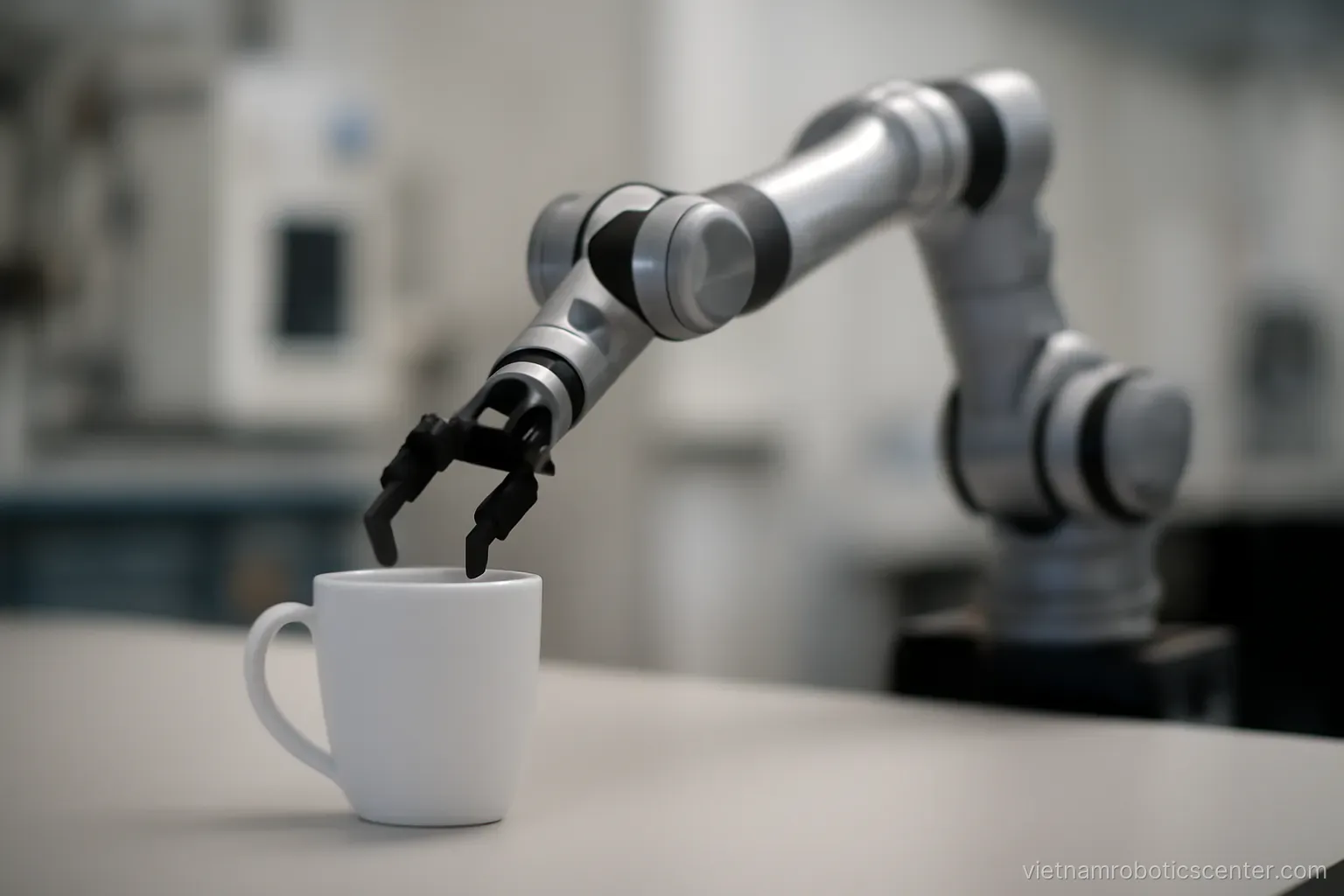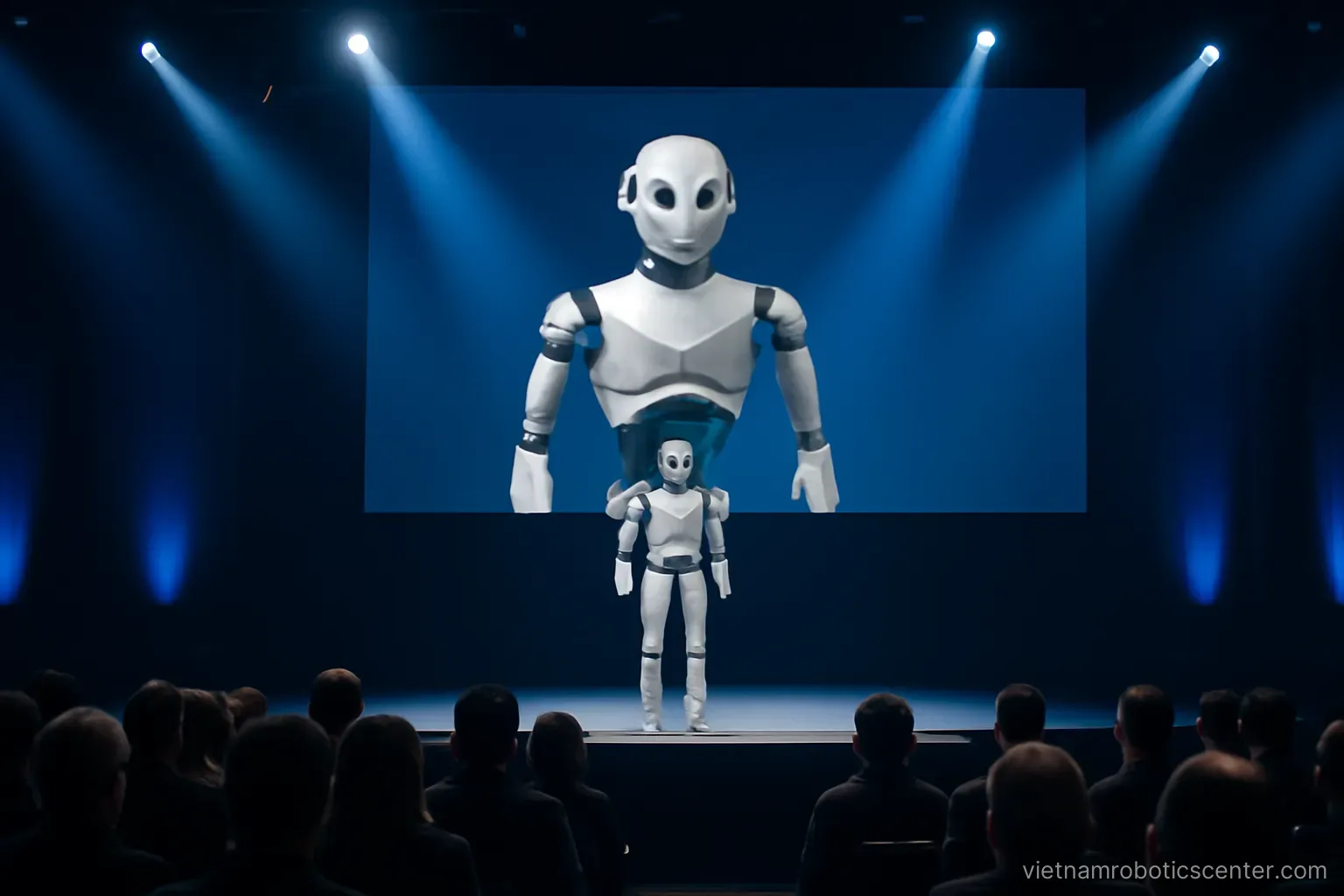
There is nothing dishonest about a well-prepared demonstration. The problem is that viewers rarely know what was prepared, and the distance between the demo and an ordinary working day is where money is lost.
What is usually prepared in advance
This list is not an accusation — these are normal industry practices, and knowing them helps you ask better questions.
A controlled environment. Even lighting, plain background, no stray objects, flat floor. Very different from a hotel lobby with angled sunlight and people walking through.
Selected objects. Simple shapes, contrasting colours, sized to fit the gripper. Not the customer's actual items.
The successful attempt kept. A thirty-second clip may be attempt fifty. Entirely legitimate as marketing, and it says nothing about success rate.
Adjusted speed. Sped-up video makes movement look smoother and more decisive than reality.
A human operator. Some portions may be teleoperated from off camera. Not a problem if disclosed, and a serious one if not.
Four questions that separate demo from product
How much of this is autonomous? Ask directly which parts the robot does itself and which are operated. A clear answer is a good sign; an evasive one is not.
What is the success rate? Out of a hundred attempts, how many succeed. A serious supplier has this figure.
Where has it run continuously, and for how long? Ask for an address you can visit.
Can it do this with my items, in my space? The most important question, and the reaction to it reveals more than the answer.
A confident supplier will agree under reasonable conditions. A supplier who finds reasons to demonstrate only in their own environment is telling you something important.
Structuring a trial that produces information
If a trial is offered, design it yourself rather than letting the supplier design it.
In your space. The actual location, at the actual busy hour, with the actual noise level.
With your content. Load real company documents and ask the questions real customers ask, including off-topic ones.
Run long enough. At least several continuous hours, not fifteen minutes. Most problems appear only after the battery drops, after someone walks past, after somebody asks something unexpected.
Let your own people operate it. Your reception staff, not the supplier's technician.
Record numbers. Questions answered correctly, answered wrongly, interventions required. Figures written down during the trial beat impressions formed afterwards.
Test bad situations too. Ask something it should refuse. Block the aisle. Pull the power. How it handles these tells you the most.
Warning signs and good signs
Warning signs. Video only, no live viewing. No answer on success rate. No site running continuously. Every question answered with an unqualified yes. Emphasis on future capability over present capability. A price far below market — usually meaning support and content are missing.
Good signs. Volunteering limitations unprompted. Able to name three things the robot does well and three it does not. Asking detailed questions about your space and job before quoting. Having a site to visit. Having a plan for when the robot answers wrongly. Being explicit about who loads content and what maintenance costs.
A supplier who volunteers limits is usually safer than one who says everything is possible — not because they are modest, but because they have deployed before and know where things break.
Deciding after the trial
Compare against the cheaper option. Could a kiosk do this? Could a part-time person? If the robot is not clearly better, the difference is the price of image, and it should be valued as such.
Cost the full year. Machine, content, maintenance, power, and the time of whoever looks after it. Then divide by expected interactions.
Name who will care for it. Before signing. A robot without a caretaker stops being used within months, and that is the most common ending rather than hardware failure.
Start with a rental or a single unit. If a few months of rental is possible, it is the cheapest route to a real answer.
Write success criteria first. After three months, which number tells you the project is worth continuing. Write it before starting, because objectivity is much harder afterwards.
Frequently asked questions
What is the most important question at a demonstration?
Whether the robot can do this with your items in your space. The supplier's reaction to the question reveals more than the answer — a confident one agrees under reasonable conditions.
How long should a trial run?
At least several continuous hours rather than fifteen minutes. Most problems surface only after the battery drops, after people walk past, and after someone asks a question outside the prepared script.
What indicates a trustworthy supplier?
Volunteering limitations, being able to name three things the robot does poorly, asking detailed questions about your space before quoting, and having a site running continuously that you can visit.
What is the most common reason robots stop being used?
Nobody caring for them — charging, cleaning, content updates, unjamming. This ends more deployments than technical failure, so the caretaker must be named before the contract is signed.
More in Robots for real estate and showrooms and Training and customising a robot.