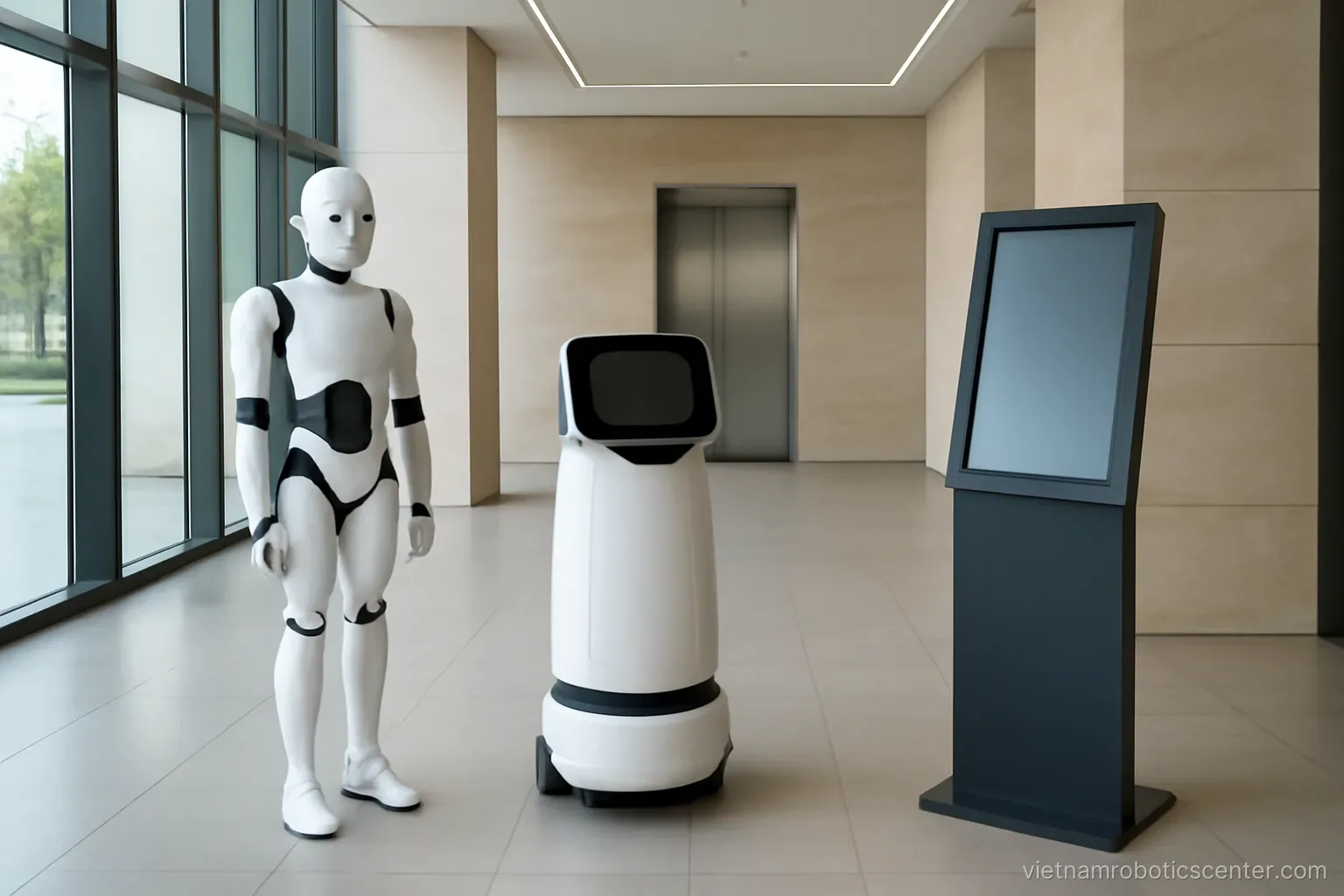
The first question people ask is which robot to buy. The better question is which body type the job needs — because the same AI can sit inside three very different bodies with very different prices and capabilities.
The humanoid
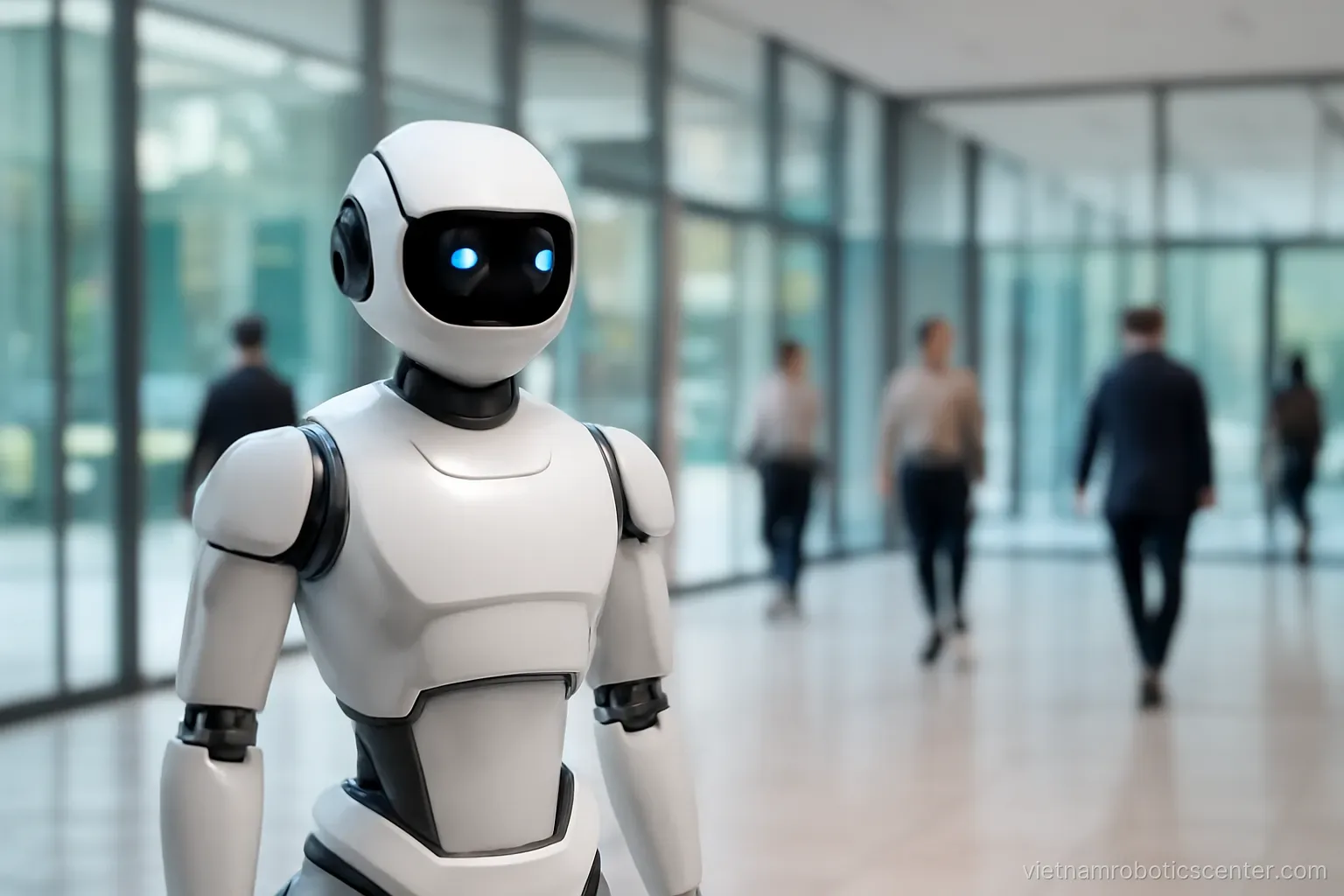
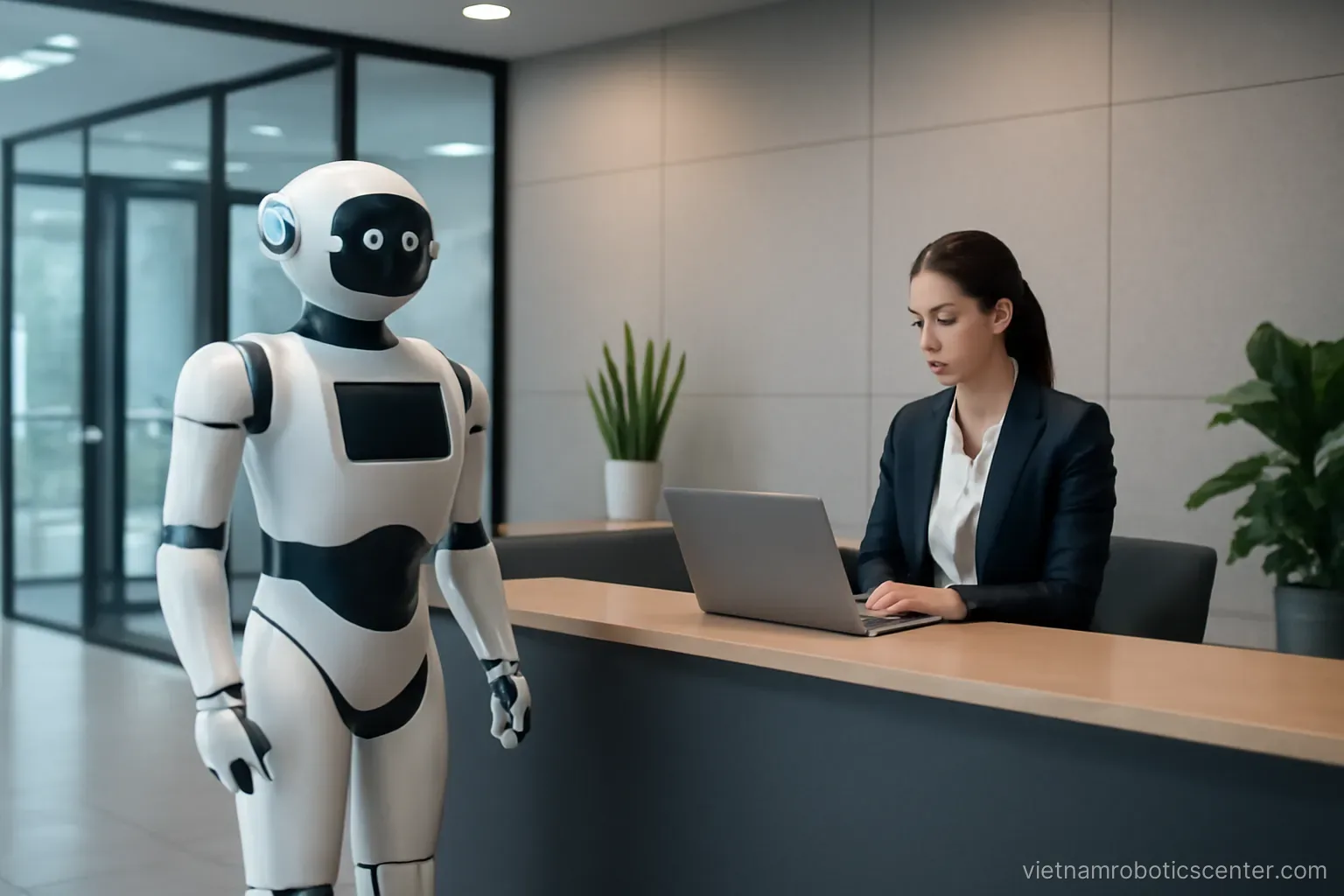
A head, a torso, arms, and either legs or a wheeled base.
Strengths. By far the strongest attention effect. People photograph it, film it, tell others about it. For events, showrooms and brand spaces where the robot's presence is itself part of the value, nothing substitutes.
Arms do real work. Pointing, gesturing, waving. These make interaction noticeably more natural than a talking screen, and they matter more than the specification sheet suggests.
Weaknesses. Most expensive of the three. Heavy and awkward to relocate. More joints means more things that fail. Legged versions have short runtime and remain fussy about terrain.
Expectations run ahead. Looking human makes people expect human capability, so every limitation disappoints more sharply than it would on a machine that looks like a machine.
Fits. Events, exhibitions, brand lobbies, showrooms, and any programme where image is the objective.
The wheeled robot with a screen
A wheeled base, a column, a screen at eye height, sometimes a tray.
Strengths. Considerably cheaper than a humanoid. Runs for many hours because no energy goes into balancing. Fewer joints, so fewer failures. Carries things — meals, goods, documents.
Movement is solved. Wheeled bases with sensors are mature technology. They run reliably in corridors, lobbies and between tables.
Weaknesses. Less impressive. No arms, so no gestures. Still needs flat floors and adequate aisle width.
Fits. Restaurants, hotels, hospitals, large offices, retail — anywhere the actual job is get from A to B or stand in the right place and answer.
This is the best value-for-capability of the three for most real applications, and it is the type most widely deployed in practice for exactly that reason.
The fixed kiosk
No movement. A touchscreen, microphone, speaker and camera.
Strengths. Cheapest by a wide margin. Almost nothing to break. No charging, no map, no aisle requirements. Fits in tight spaces.
Does most of what a reception robot does. Answers questions, looks up information, shows directions, collects visitor details. If the job is stand still and answer, a kiosk does it for a fraction of the cost.
Weaknesses. No attention effect. Carries nothing. Visitors must come to it rather than it coming to them.
Fits. Information desks, lookups, registration, process guidance.
Stated plainly: a substantial share of reception robot projects should have been kiosks. Where the goal is answering visitors rather than creating an impression, this is the honest option — and it should be ruled out deliberately rather than forgotten.
Choose by objective, not by shape
A compact decision rule.
Objective is impression and brand image → humanoid. This is where the human form has genuine value, measurable in photographs taken, shares, and visitor comments.
Objective is carrying or guiding → wheeled robot with a screen.
Objective is answering and lookup in one place → kiosk or screen.
Objective is all three → usually split rather than combine. A kiosk at the desk plus a wheeled robot carrying items is typically cheaper and works better than one humanoid attempting both.
A useful self-check: if you removed the physical form entirely, would this job still need a robot? If the answer is no, what you are buying is image — a perfectly legitimate purchase, provided you know that is what it is and price it accordingly.
The real cost of each
Purchase price is one line. The others differ by type.
Humanoid. Highest purchase price. Meaningful transport and setup cost each time it relocates. More maintenance from more joints. Needs an attendant when operating in busy spaces.
Wheeled with screen. Mid purchase price. One-time area mapping. Maintenance mainly wheels, sensors and battery. Needs a charging location and a charging routine.
Kiosk. Lowest price. Almost no operating cost beyond power and content updates.
The line common to all three and most often forgotten: loading and maintaining content. A robot giving wrong answers because information is stale is a more common failure than a robot breaking, and it is a recurring cost rather than a one-time one.
When comparing the three, reduce everything to cost per visitor served per year. That figure frequently reorders the initial preference.
Frequently asked questions
When is a humanoid genuinely worth the premium?
When the objective is attention and brand image — events, exhibitions, brand lobbies, showrooms. There the value is measurable in photographs taken and shares, and no other form factor substitutes.
Which form factor gives the best value?
The wheeled robot with a screen. Cheaper than a humanoid, runs for many hours, fewer joints to fail, and it carries things — matching most real jobs, which are moving between points or standing in place and answering.
When should a kiosk be chosen instead?
When the job is standing still, answering and looking things up. A substantial share of reception robot projects should have been kiosks, and the option deserves to be ruled out deliberately rather than overlooked.
Which cost is most often forgotten?
Loading and maintaining content. Stale information causing wrong answers is more common than hardware failure, and it is a recurring monthly cost rather than a one-time purchase item.
More in Robots for business and Robots in education.